
.png)

.png)
.png)



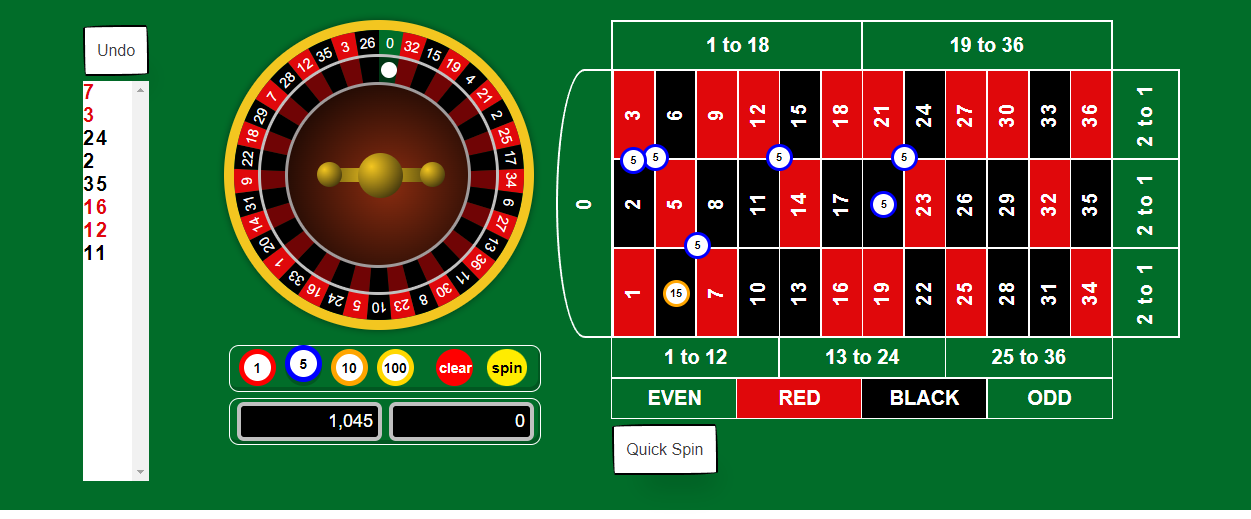



Chop Detector — Double-digit vs single-digit
Understanding the Chop in Roulette
A chop from High to Low on roulette, such as H, L, H, L, H, L, H, L, H, L, is a classic example of a 50/50 scenario. The odds of the next spin being either High or Low remain the same, no matter the streak. This streak pattern (chop) will eventually end — but the mystery lies in not knowing when.
Now, imagine splitting your roulette table into new sections: 1–9 as the lows and 10–36 as the highs. This division makes the game more intriguing because 1–9 are all single-digit numbers, while 10–36 are all double-digit numbers.
When observing a double-digit to single-digit chop, the odds of this streak continuing shift significantly. More often than not, this streak pattern ends with a sequence of two double-digit numbers. Here's an example of what that might look like:
2 → 14 → 3 → 34 → 7 → 28 → 9 → 31 → 1 → 34 → 13
"The chop is unpredictable, but every streak ends eventually."


